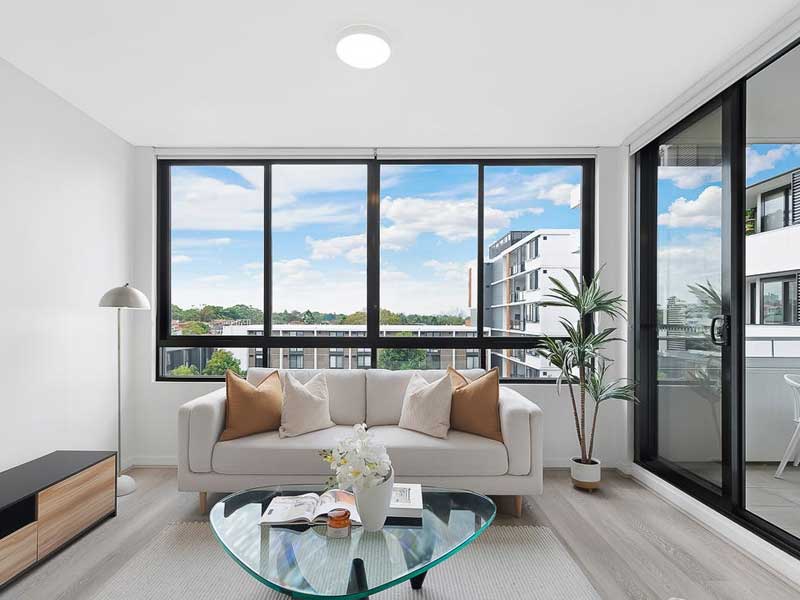
Finding the right air conditioning solution for your apartment is crucial for maintaining comfort during hot and humid seasons. With the variety of air conditioning systems available on the market, selecting the best one requires careful consideration of factors such as apartment size, energy efficiency, and professional installation services. This guide focuses on helping you understand the key aspects of apartment air conditioning installation, ensuring you make an informed decision.
Understanding Apartment Air Conditioning Options
Choosing the right air conditioning system for your apartment starts with understanding the options available. The most popular choices include split systems, window units, and portable air conditioners. Split systems are known for their efficiency and suitability for various apartment sizes. Window units are compact and affordable, while portable air conditioners offer flexibility for renters who cannot make permanent changes to their living space.
Factors to Consider Before Installation
Before proceeding with air conditioning installation, evaluate the following critical factors:
- Apartment size: Measure the square footage of your apartment to determine the cooling capacity required. Larger apartments may need a split system with multiple indoor units.
- Energy efficiency: Look for systems with a high energy efficiency rating to reduce electricity bills and minimize environmental impact.
- Building regulations: Check with your apartment management or landlord for any restrictions on air conditioning installation, such as noise levels or exterior modifications.
The Importance of Professional Installation
Hiring a professional for air conditioning installation ensures that the system is installed correctly and operates efficiently. An experienced electric contractor can handle wiring, mounting, and testing to guarantee optimal performance. Improper installation can lead to reduced efficiency, higher energy consumption, and frequent maintenance issues. Investing in professional services can save you money in the long run.
Steps Involved in Apartment Air Conditioning Installation
The installation process typically includes the following steps:
- Site assessment: The technician evaluates your apartment layout to determine the best location for the indoor and outdoor units.
- System selection: Based on the assessment, the appropriate air conditioning system is chosen, taking into account your preferences and budget.
- Preparation: The installation team prepares the site by clearing obstacles and ensuring adequate space for the system components.
- Mounting: The indoor unit is mounted securely on the wall, and the outdoor unit is placed in an accessible and well-ventilated area.
- Connection: The technician connects the indoor and outdoor units using refrigerant pipes and electrical wiring.
- Testing: After installation, the system is tested to ensure proper functionality and cooling efficiency.
Benefits of a Split System Installation
A split system is a popular choice for apartment air conditioning due to its numerous advantages. These include:
- Energy efficiency: Split systems consume less energy compared to traditional systems, reducing electricity bills.
- Quiet operation: The outdoor unit minimizes noise, making split systems ideal for apartments with strict noise regulations.
- Customizable cooling: Multi-split systems allow you to cool individual rooms independently, enhancing comfort and efficiency.
Common Challenges and Solutions
Apartment air conditioning installation can present challenges, such as space limitations and building restrictions. However, these issues can be addressed with the right approach:
- Limited outdoor space: Opt for a compact outdoor unit or a shared system if your apartment building allows it.
- Building restrictions: Consult your landlord or building management for guidelines and obtain necessary approvals before installation.
- Electrical capacity: Ensure your apartment’s electrical system can handle the additional load. Upgrading the switchboard may be necessary in older buildings.
Maintenance Tips for Long-Term Performance
To keep your air conditioning system running efficiently, regular maintenance is essential. Follow these tips to extend the lifespan of your system:
- Clean filters: Check and clean the air filters every month to improve airflow and maintain air quality.
- Inspect outdoor units: Remove debris and ensure the outdoor unit has adequate ventilation.
- Schedule professional servicing: Hire a technician for annual servicing to identify and address potential issues.
Cost
The cost of apartment air conditioning installation depends on several factors, including the type of system, apartment size, and installation complexity. While portable and window units are more affordable upfront, split systems offer better long-term value due to their efficiency and performance. Request quotes from multiple professionals to compare prices and choose the best option for your budget.
In conclusion, investing in a high-quality air conditioning system and professional installation is essential for maintaining a comfortable living environment in your apartment. By considering factors such as system type, energy efficiency, and building regulations, you can ensure a successful installation that meets your needs and provides long-term value.