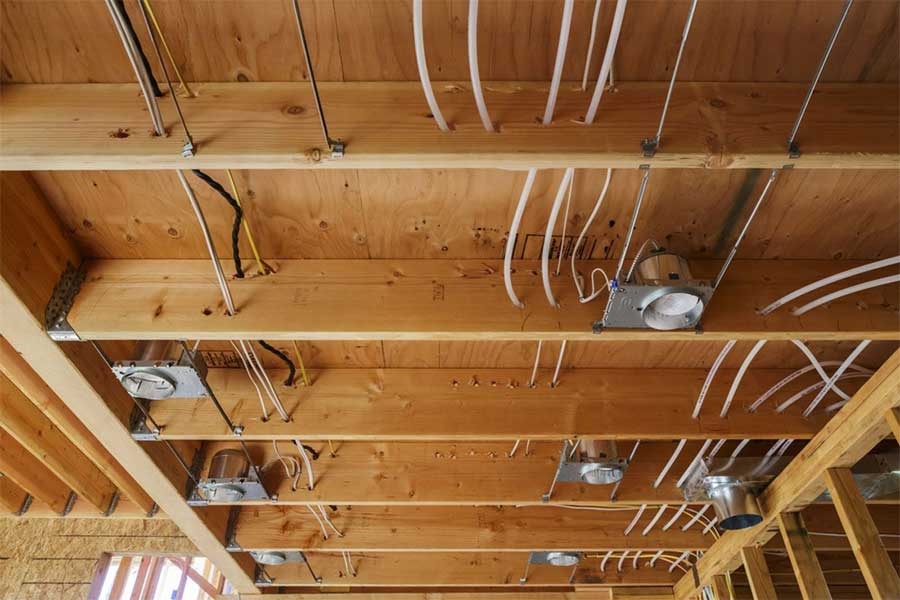
Electrical wiring is the foundation of any home's electrical system. It connects power sources to every light, outlet, and appliance in the house. Whether you are building a new property or renovating an existing one, understanding the basics of electrical wiring installation ensures safety, functionality, and compliance with Australian standards. In Melbourne, where modern living relies heavily on appliances, lighting, and air con systems, well-planned electrical wiring installation is more than convenience — it is essential for everyday comfort and safety.
Table of Contents
- Why Proper Electrical Wiring Matters
- Planning and Design for Electrical Wiring Installation
- Materials and Tools for Home Electrical Wiring
- Step-by-Step Electrical Wiring Installation
- Electrical Wiring Safety and Compliance
- Electrical Wiring in Home Renovations
- Room-Specific Wiring: Kitchen, Bathroom, and Living Areas
- Choosing the Right Wiring Contractor in Melbourne
- Ensuring Safe and Reliable Electrical Wiring
Why Proper Electrical Wiring Matters
Quality electrical wiring affects every part of a home's performance. Faulty wiring can lead to flickering lights, tripped breakers, or even electrical fires. Safe and well-installed wiring guarantees that electricity flows efficiently to all appliances without overloading circuits. It also ensures that the electrical system can handle the growing demand for energy as new technologies are added. For homeowners in Melbourne, hiring a skilled wiring contractor is not just a matter of compliance — it is an investment in long-term safety and reliability.
Planning and Design for Electrical Wiring Installation
Before any wire is installed, a detailed plan is crucial. This plan defines where power points, light switches, and circuits will be located throughout the property. A professional wiring contractor designs the system according to the size of the house, number of rooms, and specific needs like air conditioner units, kitchen appliances, and bathroom exhaust fans. The design phase also includes determining circuit load capacity to prevent future power failures. In Melbourne homes, it is also important to follow local electrical regulations to meet safety and energy efficiency requirements.
Materials and Tools for Home Electrical Wiring
High-quality materials are key to safe and durable electrical wiring installation. Copper cables are commonly used due to their excellent conductivity and flexibility. Electrical conduit, switchboards, junction boxes, and safety switches are also essential components. Tools like wire strippers, voltage testers, and pliers help ensure connections are secure and safe. Using approved Australian Standard materials is not optional — it is required by law to ensure the system operates safely under all conditions, including high-demand areas like kitchens or when running air conditioners.
.jpg)
Step-by-Step Electrical Wiring Installation
1. Preparation and Layout The first stage involves mapping out where electrical cables will run, followed by marking outlets, switches, and light fittings. Electricians cut channels or run conduits through walls and ceilings to prepare for cabling.
2. Cable Routing Cables are carefully routed through conduits and secured to avoid sagging or damage. Special attention is paid to wet areas such as bathrooms and kitchens, where insulation and waterproofing are critical for safety.
3. Connection and Termination Each wire is connected to the appropriate circuit breaker and tested to ensure a proper current flow. Colour-coded wires help electricians identify live, neutral, and earth lines to prevent hazards.
4. Testing and Inspection Once installation is complete, licensed electricians test the system using professional equipment. This step ensures that voltage, resistance, and continuity meet safety standards. In Melbourne, an electrical compliance certificate must be issued before the wiring is considered complete and legal for use.
Electrical Wiring Safety and Compliance
.jpg)
Safety is at the core of any electrical wiring installation. Faulty wiring or unlicensed work can cause serious injuries, damage property, and even start fires. Australia's wiring rules, AS/NZS 3000, outline strict requirements to maintain safety in domestic and commercial installations. Key safety measures include using residual current devices (RCDs) for protection against electric shock, grounding all outlets, and ensuring waterproofing in areas near water sources. Regular inspection of wiring and electrical panels helps identify potential hazards early, reducing the risk of short circuits or fire outbreaks.
Electrical Wiring in Home Renovations
When renovating an older home, updating the electrical wiring is often essential. Older wiring systems may not meet current energy demands or safety regulations. During a renovation, electricians can replace outdated wiring, upgrade switchboards, and install new circuits for modern appliances. For example, adding an aircon, electric oven, or lighting system requires wiring that can handle higher loads. All who do home renovation should always consult a licensed wiring contractor to evaluate existing systems and propose safe, compliant upgrades.
Room-Specific Wiring: Kitchen, Bathroom, and Living Areas
Kitchen Wiring
The kitchen is one of the most power-intensive areas in a home. Ovens, microwaves, dishwashers, and refrigerators all require dedicated circuits. Proper spacing of outlets above benchtops and near appliances improves convenience and safety. Heat-resistant and moisture-protected wiring should always be used in this zone.
Bathroom Wiring
Bathroom wiring demands careful attention to moisture protection. All electrical fittings must be rated for wet environments, and wiring must be installed with waterproof conduits. Exhaust fans, lights, and heated towel rails must comply with specific zoning rules to avoid contact with water. Safety switches and isolation points are mandatory in these installations.
Living Areas and Bedrooms
Living rooms and bedrooms may seem simple to wire, but they require precise planning. Lighting layouts, power outlets, and entertainment systems depend on balanced circuits. Adding ceiling fans, downlights, or dimmer switches should always be planned to maintain even electrical load distribution throughout the house.
Choosing the Right Wiring Contractor in Melbourne
Selecting the right wiring contractor is one of the most important steps in ensuring your home's electrical system is safe and reliable. In Melbourne, licensed contractors are required to follow strict state regulations and must issue a compliance certificate upon completion of work. When choosing a professional, homeowners should verify their license, check references, and ask for proof of insurance. A qualified wiring contractor will not only install the system correctly but also provide recommendations for energy efficiency, circuit upgrades, and safety improvements. It is better to invest in a professional from the start than face expensive repairs later.
Ensuring Safe and Reliable Electrical Wiring
Electrical wiring is more than just a network of cables — it is the heartbeat of every modern home. From lighting and air con to kitchen appliances and bathroom fittings, every system relies on safe and efficient wiring. Professional electrical wiring installation ensures that homes in Melbourne remain safe, compliant, and ready for future upgrades. Whether building a new home or renovating an existing one, engaging a qualified wiring contractor guarantees not only safety but also peace of mind. Proper installation today prevents risks tomorrow, protecting your home, your family, and your investment for years to come.