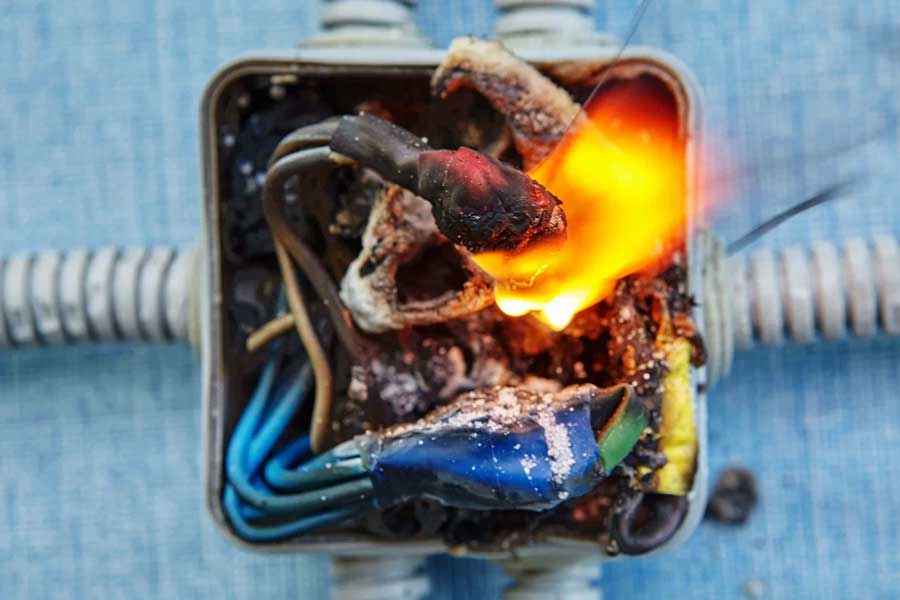
Electrical fires are one of the most common yet dangerous hazards in homes. They can start suddenly, spread quickly, and cause significant damage. But how do electrical fires start in houses, and where do they typically begin? Understanding the root causes can help you take preventive measures and keep your home safe. Let us dive into the details.
One of the primary culprits behind electrical fires is faulty wiring. Over time, the wiring in your home can deteriorate, especially if it is old or not installed correctly. Frayed wires, loose connections, or overloaded circuits can generate excessive heat, which may ignite nearby flammable materials. This is why regular electrical maintenance is crucial. An electrical contractor can inspect your wiring system, identify potential issues, and perform necessary repairs before they escalate into emergencies.
.jpg)
Another common starting point for electrical fires is the main switchboard. The main switchboard is the heart of your home’s electrical system, distributing power to all circuits. If it is outdated, improperly installed, or overloaded, it can overheat and spark a fire. Have you ever noticed flickering lights or tripped breakers? These could be warning signs that your main switchboard needs attention. Ignoring these signs might lead to an electrical emergency, requiring immediate emergency electrical repair.
Electrical appliances also play a significant role in starting fires. Devices like space heaters, toasters, and dryers draw a lot of power. If they are plugged into outdated outlets or extension cords not designed to handle high wattage, the result can be overheating and, eventually, a fire. Always ensure that your appliances are in good condition and used according to the manufacturer’s instructions. Regular electrical maintenance of these devices can prevent potential hazards.
Outlets and switches are another hotspot for electrical fires. Loose or damaged outlets can cause arcing, where electricity jumps between gaps, creating intense heat. This heat can ignite nearby materials like curtains, furniture, or even dust. Similarly, light fixtures with bulbs that exceed the recommended wattage can overheat and start a fire. It is essential to check your outlets and switches periodically and replace any that show signs of wear or damage.
Can electricity start a fire on its own?
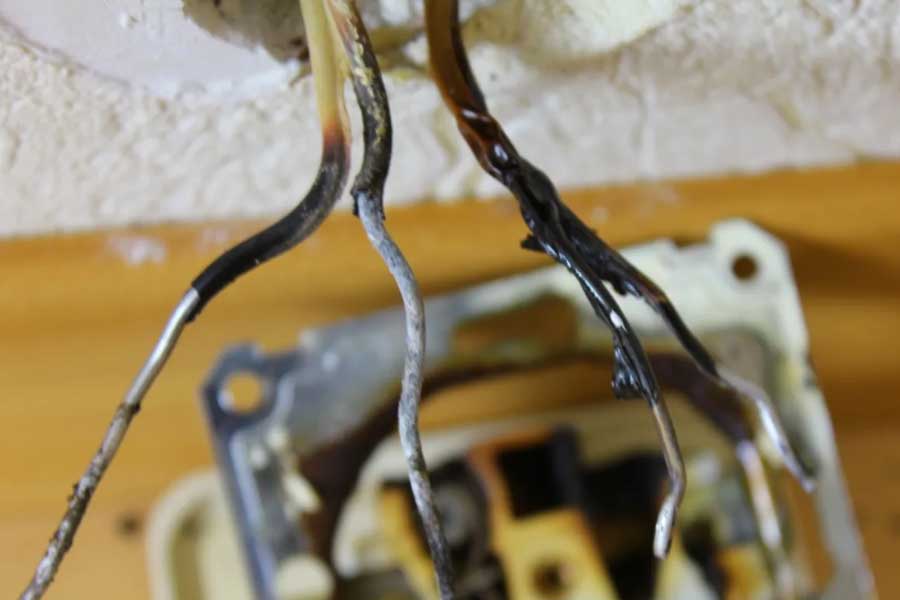
The answer is yes, but it usually requires a combination of factors. Electricity itself is not flammable, but when it encounters resistance, such as faulty wiring or overloaded circuits, it generates heat. This heat, if not managed properly, can ignite surrounding materials. Think of it like a campfire. You need fuel, heat, and oxygen to start a fire. In the case of electrical fires, the fuel could be anything from insulation to wood, and the heat comes from electrical resistance.
Preventing electrical fires starts with awareness and proactive measures. Schedule regular inspections with a licensed electrical contractor to ensure your home’s electrical system is up to code. Pay attention to warning signs like burning smells, scorch marks, or frequent circuit breaker trips. These could indicate underlying issues that need immediate attention. In case of an electrical emergency, such as sparks or smoke from an outlet, shut off the power at the main switchboard and call for emergency electrical repair services right away.
Electrical fires in houses often start due to faulty wiring, overloaded circuits, outdated main switchboards, or malfunctioning appliances. Knowing where these fires typically begin and taking steps to address potential risks can save you from devastating consequences. Regular electrical maintenance and timely repairs are your best defense against electrical fires. Stay vigilant, and do not hesitate to seek professional help when needed. Your home’s safety depends on it.