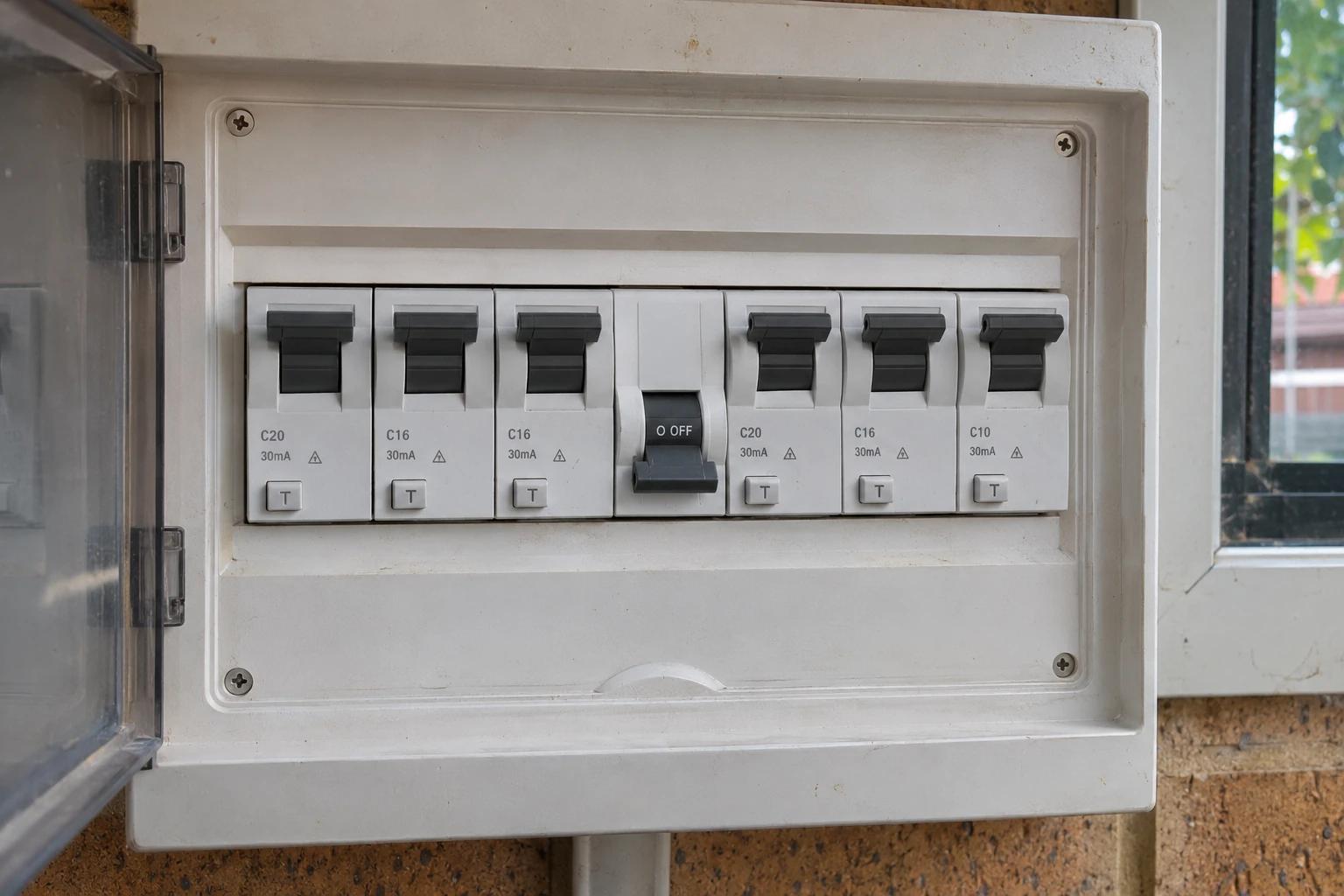
If your safety switch keeps tripping, don't keep turning it back on. There may still be a fault in an appliance, the wiring or the switch itself. If it won't reset, or trips again after a reset, leave the affected circuit off and call a licensed electrician.
It doesn't automatically mean you need a new switchboard. The electrician needs to find out what's causing the trip before recommending a repair or replacement.
If you're in Glen Huntly or Melbourne's south eastern suburbs, the information below can help you explain the problem when you call and understand what needs checking.
When you need urgent help
If there's fire, smoke or immediate danger, move away and call 000. Stay away from a smoking or damaged switchboard. Never use water on an electrical fire.
A shock or tingle from a tap, appliance or metal surface needs immediate attention. Stop touching it, keep other people away and call your electricity distributor straight away. Don't touch the switchboard or nearby metal to investigate.
If lights across the home are flickering or unusually dim, especially when only part of the home has power, there may be a supply problem. Call your electricity distributor rather than assuming the safety switch is the cause. You can normally find the distributor's fault number on your electricity bill.
For repeated tripping without those immediate danger signs, leave the affected circuit off and book an electrician. Mention any burning smell, buzzing, visible damage or water near electrical equipment when you call. LDS provides an emergency electrician service for urgent electrical problems.
Is it a safety switch or a circuit breaker?
It's easy to call every switch in the board a safety switch. They can look similar, but they do different jobs.
| Device | What it does |
|---|---|
| Safety switch or RCD | Checks for a difference between the current going out and coming back. That difference can mean electricity is leaking to earth. It cuts power to reduce electric shock risk on the circuits it protects. |
| Circuit breaker or MCB | Protects the wiring when too much current flows, such as during an overload or short circuit. A standard circuit breaker doesn't provide the same shock protection as a safety switch. |
| Combined device or RCBO | Does both jobs. An electrician needs to test it and the circuit to work out why it tripped. |
A test button helps identify a device with safety switch protection. It won't tell you what caused the trip or which circuits are protected. If you aren't sure what you have, ask the electrician to explain the labels. Don't remove the switchboard cover.
What can make a safety switch keep tripping?
An appliance or its power lead
A fault in an appliance can let electricity leak to earth. A damaged lead or plug can also be involved. Think about what was running when the power went off. Did the trip happen as an appliance started, heated up or reached part of its cycle?
If it happened while the dishwasher was running, for example, tell the electrician. That helps them decide what to check, but it doesn't prove the dishwasher caused it. Don't run a suspect appliance again or try it in another power point to see whether it trips the power.
Water getting into outdoor equipment
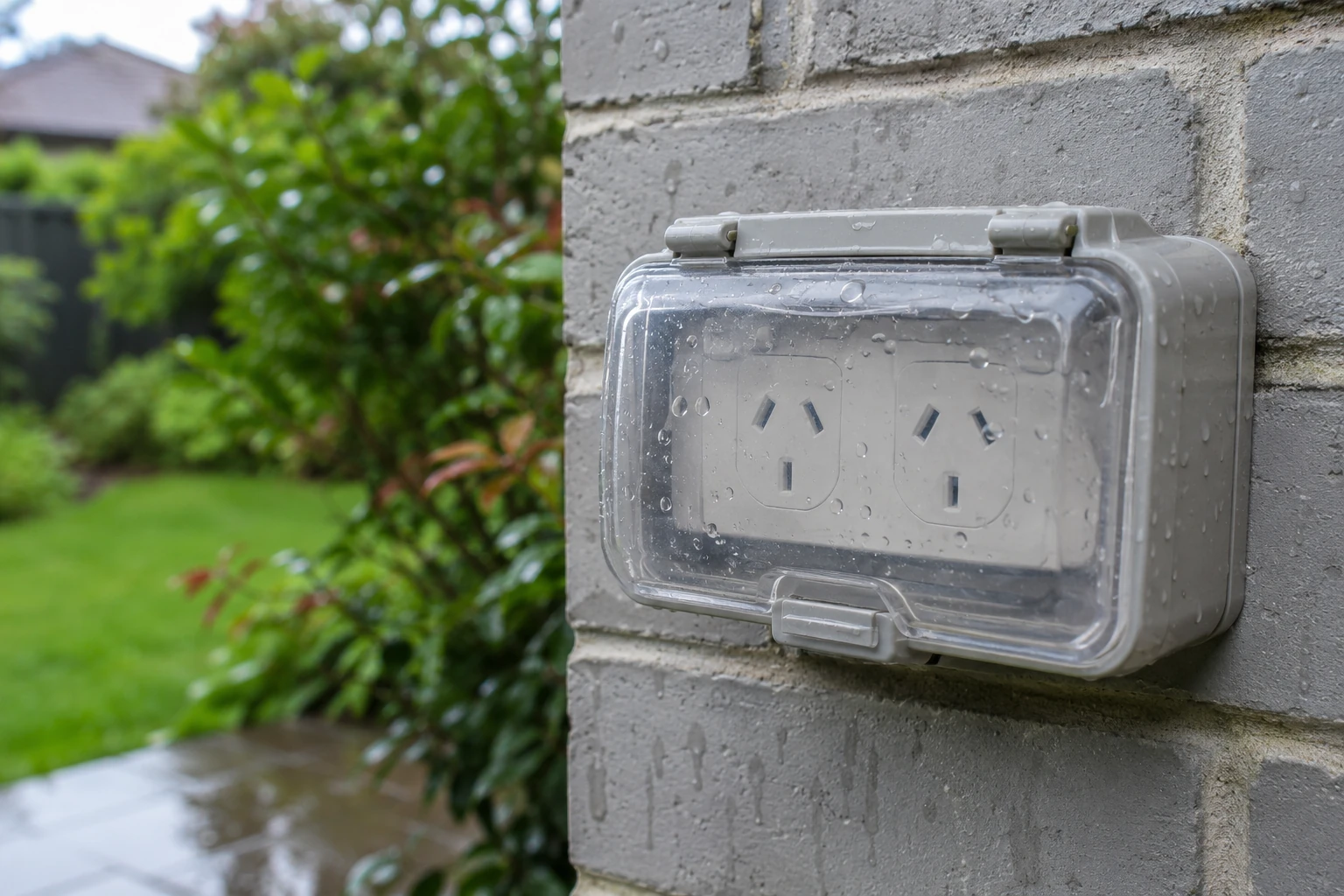
Water can enter an outdoor light, power point or cable connection and cause a fault. If the tripping happens after rain, mention it when you book, especially if the affected circuit supplies outdoor lights or garden equipment.
Don't open a wet fitting or touch it to check whether it's dry. The electrician needs to find where the water got in and check for damage. Even if the power stays on once the weather clears, the fault may still need attention.
Wiring, lights or equipment connected directly to the wiring
The fault may be in a power point, light fitting or cable. It could also involve equipment wired directly into the home, which stays connected when you unplug portable appliances.
Some faults come and go. Tell the electrician when the trip happened and what was happening at the time. Testing can help them work out whether the problem is in an appliance or the wiring.
Never force a switch into the on position or hold it there.
The safety switch itself
The switch can be faulty too. But replacing it without testing could leave a fault elsewhere on the circuit. The electrician should check both the switch and the circuit before recommending what to replace.
An overload or short circuit
An overload or short circuit can trip a circuit breaker or RCBO. An ordinary safety switch responds to a difference in current instead. So "too many appliances" isn't an explanation for every trip. First, the electrician needs to identify which type of device has switched off.
What to tell the electrician
You don't need to open anything or make the fault happen again. Just explain what you've already noticed:
- Did the whole home lose power, or only some lights and power points?
- What was running at the time? Has it happened before?
- Had it been raining, or had there been cleaning, recent electrical work or outdoor equipment in use?
- Was there a smell, an unusual sound, visible damage or a shock or tingle?
- Would the switch stay on after a reset, or did it trip again?
Only look at the board's labels if you can do so safely, away from water, damage or exposed parts. They may help you describe the circuit over the phone. Don't remove covers, disconnect wires or bypass a safety device.
What happens during the visit?
The electrician will ask what happened and inspect the affected equipment or circuit. Depending on the problem, they may check the circuit labels, test the wiring's insulation and check that the safety switch works correctly. Appliances or outdoor equipment may need separate checks.
Ask them to explain what they found in everyday language. If they say there's an insulation fault on the outdoor light circuit, ask which part is affected, whether it can be used safely and what needs repairing.
Sometimes a fault won't show up during the visit. If that happens, ask what they've tested, what they still need to find out and what happens next.
Will you need a new switchboard?
You may only need an appliance, fitting or part of a circuit repaired. Repeated tripping alone doesn't prove the whole board needs replacing.
A switchboard upgrade may be appropriate if the inspection finds damage, inadequate protection or another problem that can't be properly addressed with the existing setup. Ask the electrician to explain why it's needed and separate the immediate repair from any wider upgrade in the quote.
Our switchboard upgrade service explains the work involved. The Melbourne switchboard upgrade cost guide covers the things that affect the price. You'll still need a quote for your own property.
What should you ask when booking?
Ask about the call out or fault-finding fee and what it includes. Confirm whether an after hours rate applies and how the electrician will get your approval for extra testing, parts or repairs. It's also worth asking how a return visit or a separate appliance specialist would be handled if needed.
If electrical installation work is carried out in Victoria, ask about the Certificate of Electrical Safety for that work. A visit to investigate a fault and later installation or repair work may involve different work and paperwork. Have the electrician explain what you'll receive.
Common questions
What if the safety switch won't reset?
Leave the affected circuit off and call a licensed electrician. A fault may still be present. Don't keep trying to reset it, hold it on or bypass it.
Can it trip when nothing is plugged in?
Yes. Lights, fixed wiring and equipment wired directly into the home may still be connected. The switch itself could also be faulty. Testing is needed to find the cause.
Is everything fine if the power comes back on?
Not necessarily. Some faults come and go, or only happen when equipment runs or gets wet. Tell the electrician about repeated trips even if the power is back on by the time you call.
Does one safety switch cover the whole home?
It only protects the circuits connected through it. Having one test button on the board doesn't mean every circuit is covered. Ask an electrician to check which circuits have protection.
How often should I test my safety switch?
Energy Safe Victoria recommends testing every three months. Follow the device's instructions and choose a suitable time because the test interrupts the power. If it doesn't cut power, call a licensed electrician immediately.
That routine test doesn't replace an investigation when the switch keeps tripping for no clear reason.
Need help with a tripping safety switch?
LDS Air & Electrical is based in Glen Huntly and provides electrical services across Melbourne's south eastern suburbs. When you call, tell us what happened, which rooms or circuits lost power and whether you noticed any warning signs.
Call 0411 232 330 or contact LDS to discuss the electrical fault.
For fire or immediate danger, call 000. For shocks, tingles or a suspected electricity supply fault, contact your electricity distributor immediately.